Custom Feedscrews Improve Packaging Line Performance

How Custom Feedscrews Improve Packaging Line Performance
In today’s high-speed packaging environments, efficiency, precision, and reliability are critical to maintaining production goals. While conveyors, fillers, cappers, and labeling systems often receive the most attention, one of the most important components in a packaging line is frequently overlooked: the feedscrew.
Also known as a timing screw, a feedscrew is responsible for controlling container spacing, orientation, and transfer between various stages of production. When properly designed, a custom feedscrew can significantly improve line performance, reduce downtime, and increase overall equipment effectiveness.
What Is a Feedscrew?
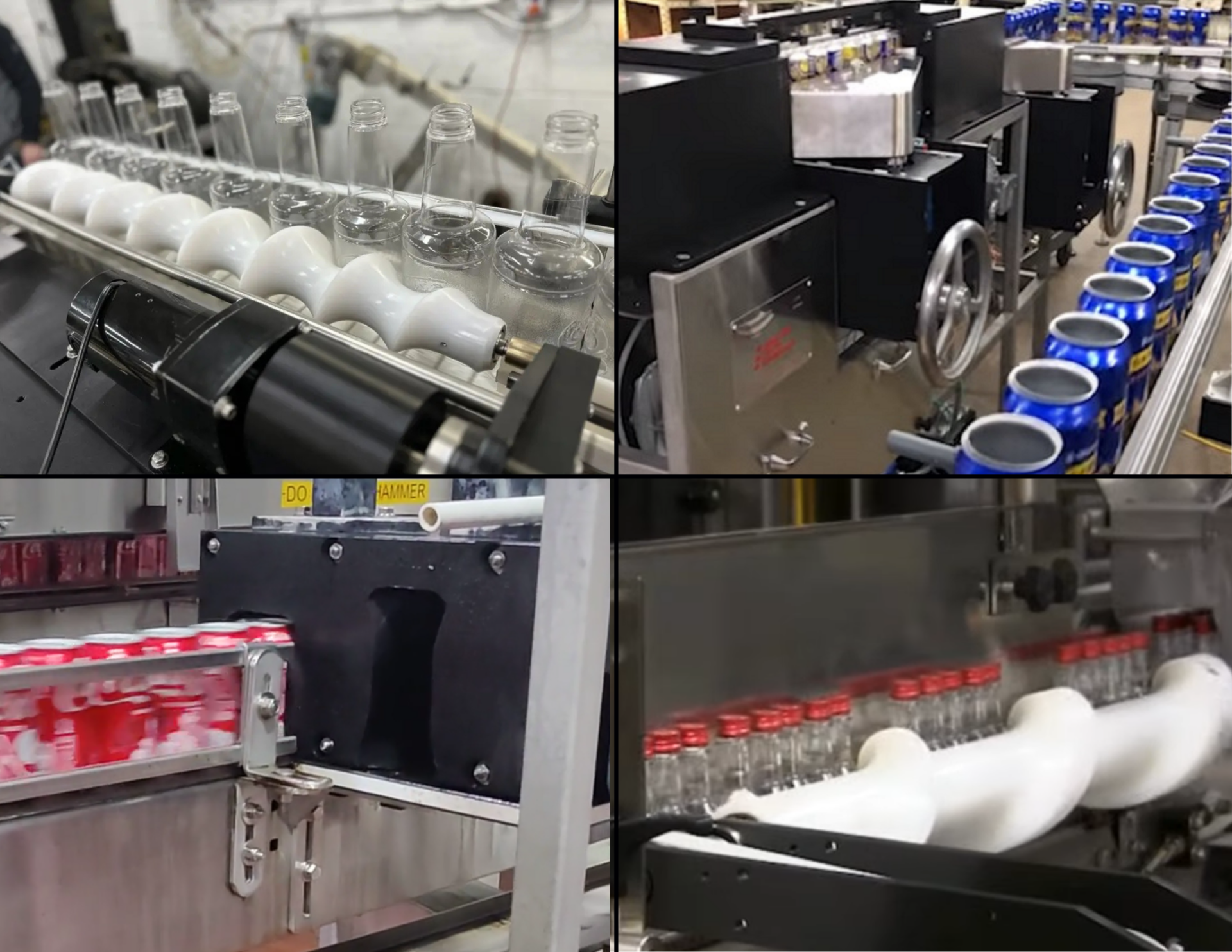
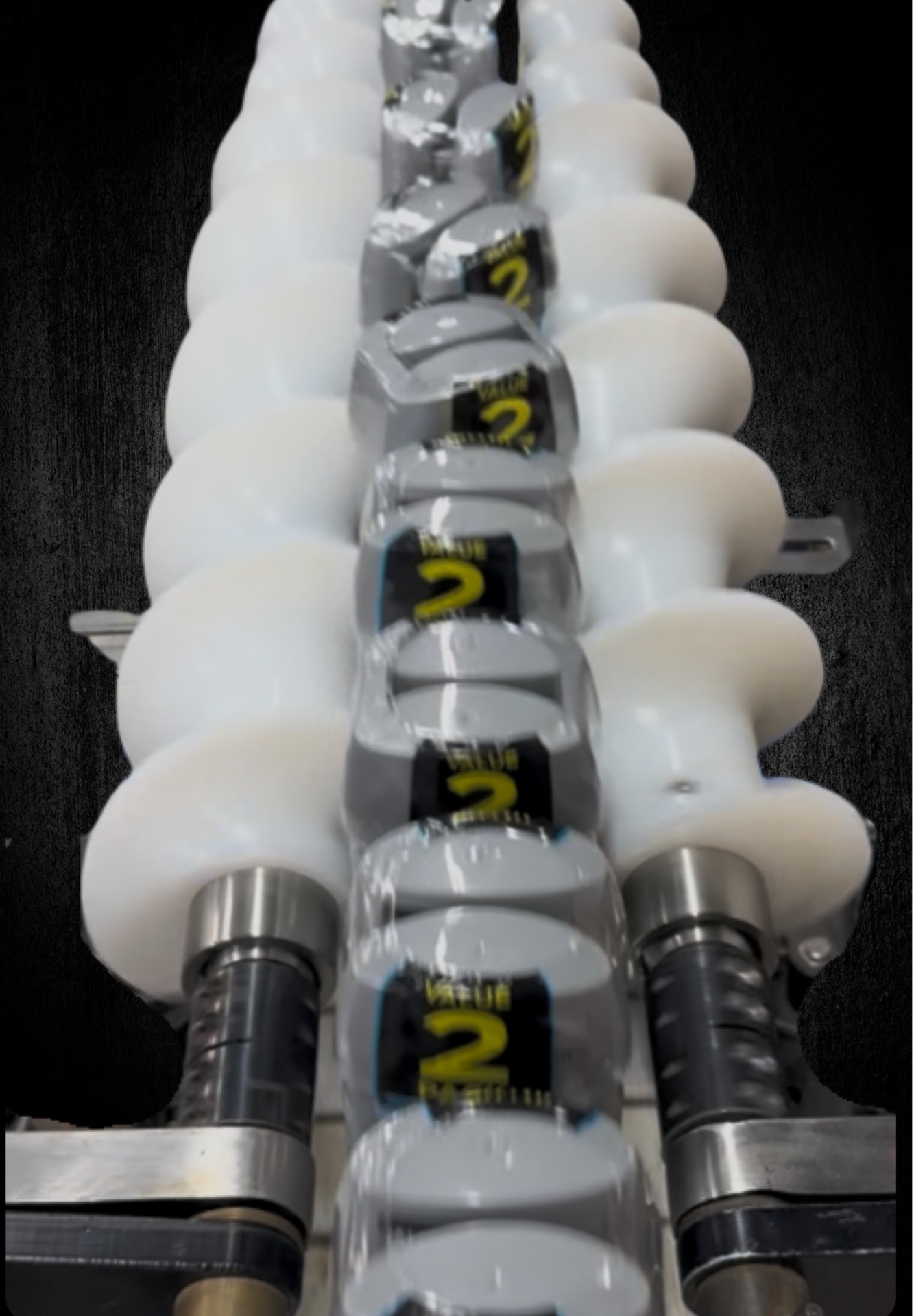
A feedscrew is a machined component that uses a helical profile to precisely guide and space containers as they move through a packaging line. Feedscrews are commonly used to:
- Separate containers from a mass flow
- Create consistent spacing for downstream equipment
- Meter product flow into fillers, labelers, or inspection systems
- Orient containers for accurate processing
- Transfer products between conveyors operating at different speeds
Because every container and production environment is unique, custom-designed feedscrews often provide the best results.
Why Custom Matters
Off-the-shelf solutions may work for standard applications, but packaging lines frequently involve unique container shapes, production speeds, and handling requirements.
A custom feedscrew is engineered specifically for:
- Container dimensions
- Material characteristics
- Line speed requirements
- Product stability
- Equipment layout
This tailored approach ensures optimal container control while minimizing operational issues.
Improved Container Handling
One of the primary benefits of a custom feedscrew is enhanced container handling.
Containers that are poorly spaced or improperly guided can tip, jam, scuff, or collide with neighboring products. These issues can result in downtime, product loss, and reduced throughput.
A properly designed feedscrew provides smooth, controlled movement throughout the application, ensuring containers arrive at downstream equipment in the correct position and at the correct interval.
The result is a more stable and reliable production line.
Increased Throughput
Consistent container spacing is essential for maximizing production speed.
When containers arrive too close together or inconsistently spaced, downstream equipment may need to slow down or stop altogether. Custom feedscrews maintain precise spacing throughout the process, allowing fillers, cappers, labelers, and inspection systems to operate at their intended speeds.
Many packaging facilities discover that optimizing container flow through a custom feedscrew enables them to achieve higher production rates without major equipment investments.
Reduced Downtime and Maintenance
Unexpected downtime is one of the most costly challenges in manufacturing.
Feedscrews that are improperly designed or worn beyond their useful life can contribute to:
- Container jams
- Product damage
- Equipment stoppages
- Excessive wear on downstream machinery
Custom feedscrews are engineered to accommodate specific operating conditions and can be manufactured from materials selected for durability and longevity. This helps reduce maintenance requirements while improving overall line reliability.
Improved Product Quality
Maintaining container control throughout the packaging process directly impacts product quality.
Proper spacing and orientation help ensure:
- Accurate filling
- Consistent labeling
- Reliable inspection results
- Reduced product damage
By minimizing handling errors and maintaining repeatable positioning, custom feedscrews contribute to a more consistent finished product.
Supporting Line Flexibility
Modern manufacturers often run multiple container sizes and product formats on the same production line.
Custom feedscrew systems can be designed to accommodate changeover requirements, enabling operators to switch between products more efficiently. This flexibility helps manufacturers respond to changing customer demands while minimizing downtime.
Selecting the Right Feedscrew Partner
Achieving optimal performance requires more than simply machining a helical profile.
An experienced feedscrew manufacturer will evaluate:
- Container geometry
- Product characteristics
- Line speed requirements
- Conveyor configurations
- Equipment integration points
By understanding the complete application, manufacturers can develop solutions that improve both immediate performance and long-term reliability.
In conclusion, custom feedscrews play a vital role in maintaining efficient, reliable packaging operations. By improving container control, increasing throughput, reducing downtime, and supporting product quality, they provide measurable benefits throughout the production process.
Whether integrating a new packaging line or optimizing an existing operation, investing in a properly engineered feedscrew solution can deliver significant performance improvements and long-term operational value.
To learn more about custom feedscrew solutions and container handling systems, contact Carleton Helical Technologies.